Too many teams treat toolbox talks as a box-ticking exercise—five minutes of recycled warnings about hard hats and high-vis vests before getting back to work. That’s not safety. That’s theater.
Real toolbox talks change behavior. They’re short, focused, and relevant to what people are doing today. They address the hazards in the immediate work environment, involve the crew, and prompt action. When done right, a toolbox talk isn’t just a meeting—it’s a moment of collective awareness.
This list of toolbox talks is built for impact, not compliance theater. Whether you're in construction, manufacturing, utilities, or maintenance, these topics are designed to spark conversation, reduce risk, and embed safety into daily operations.
Why a Strong Toolbox Talk List Matters
A static or generic list leads to disengaged employees and missed hazards. The best toolbox talk topic lists are dynamic, updated weekly, and pulled from real conditions on the ground.
Consider this: A crew installing roofing materials in high wind should hear about fall protection and material handling—not yesterday’s talk on office ergonomics. Relevance equals retention.
A well-curated list also helps supervisors prepare. Instead of scrambling for content, they can pull from a vetted set of topics that cover everything from PPE use to emergency response coordination.
Common Pitfalls to Avoid
- Overloading content: Stick to one topic per session.
- Top-down delivery: Invite crew input—someone on site likely spotted a risk you haven’t.
- No follow-up: If a hazard is identified, document it and act.
Top 20 High-Impact Toolbox Talk Topics
This list covers frequent, high-risk areas across industries. Rotate through these monthly, but always prioritize based on current work activities.
1. Fall Protection
- Focus: Guardrails, harness use, anchor points
- Key question: “Is every elevated work area properly secured today?”
- Real mistake: Workers using ladders on uneven ground without stabilization
2. Hand and Power Tool Safety
- Focus: Inspection, grounding, guarding, correct PPE
- Use case: Before a crew uses angle grinders on rebar
- Tip: Demonstrate proper grip and shutdown procedure
3. Electrical Safety
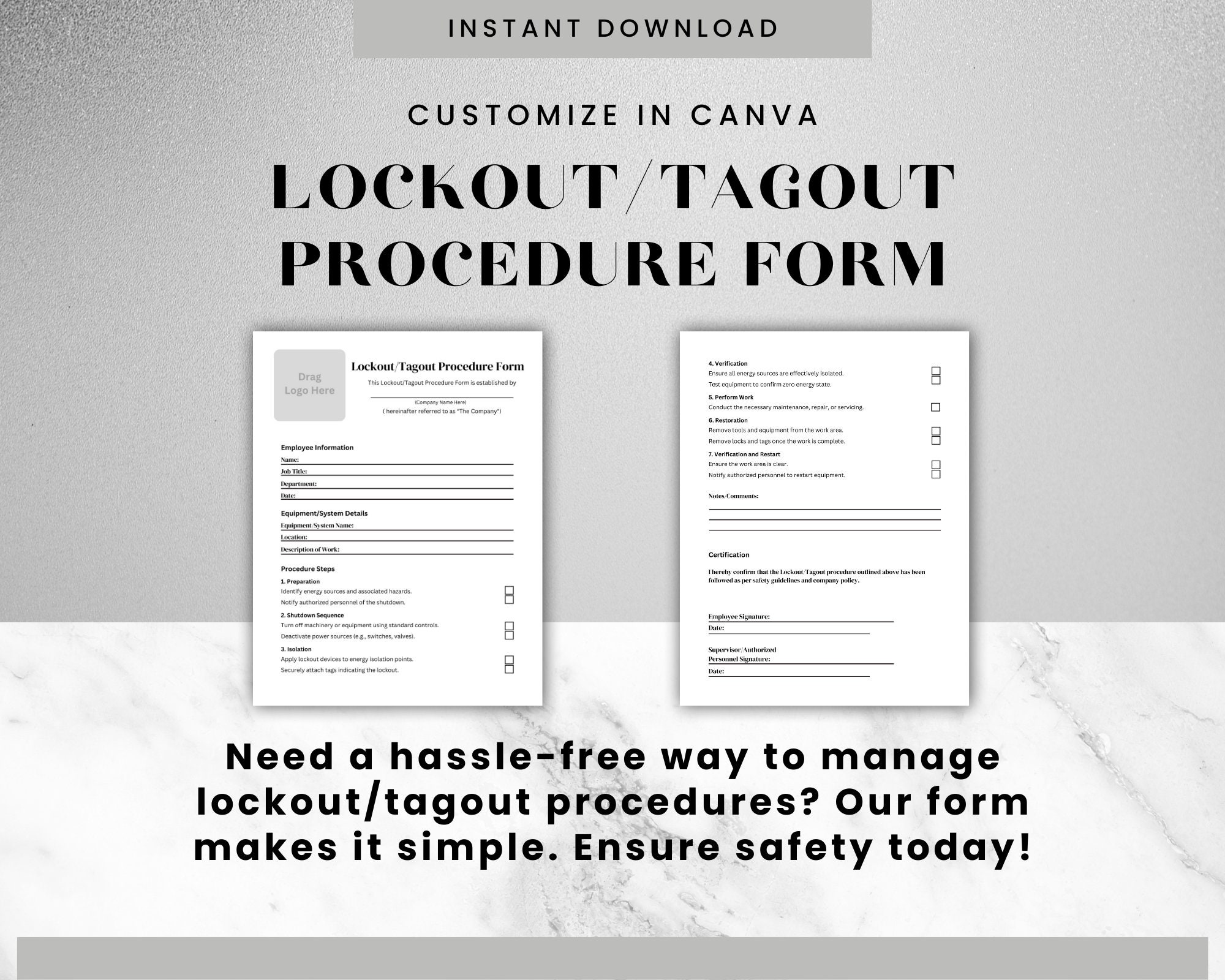
- Focus: Lockout/tagout (LOTO), overhead lines, wet conditions
- Critical reminder: “Assume all lines are live until proven otherwise”
4. Hazard Communication (HazCom)
- Focus: SDS access, labeling, chemical storage
- Mistake: Storing flammables near heat sources without ventilation
5. Confined Space Entry
- Focus: Permits, gas testing, rescue plans
- Red flag: Attempting entry without atmospheric monitoring
6. Lifting and Rigging
- Focus: Sling angles, load capacity, clear communication
- Example: Crane operation near public walkways
7. PPE Inspection and Use
- Focus: Daily checks, proper fit, replacement schedule
- Oversight: Using cracked hard hats or torn gloves

8. Housekeeping and Slip/Trip Hazards
- Focus: Debris control, spill response, aisle clearance
- Reality: Poor housekeeping causes 25% of reported incidents
9. Heat Stress and Hydration
- Focus: Early symptoms, rest breaks, water access
- Seasonal but critical: Summer work, indoor foundries
10. Cold Stress
- Focus: Layering, wind chill, buddy system
- Often ignored: Outdoor work below 40°F (4°C)
11. Fire Prevention and Extinguisher Use
- Focus: PASS method, fire class matching, exit routes
- Drill idea: Hands-on demo with extinguisher trainer
12. Working at Night or in Low Light
- Focus: Lighting setup, visibility, fatigue
- Risk: Reduced depth perception and delayed reaction
13. Trenching and Excavation
- Focus: Shoring, spoil pile distance, egress
- OSHA violation: Entering trenches over 5 feet deep without protection
14. Driving and Vehicle Safety
- Focus: Seat belts, backing procedures, blind spots
- Hidden risk: Company vehicle use after hours
15. Noise Exposure and Hearing Protection
- Focus: Decibel levels, earplug fit, hearing tests
- Reminder: Hearing loss is irreversible
16. Welding and Hot Work
- Focus: Fire watch, ventilation, arc flash
- Overlooked: UV exposure to nearby workers
17. Scaffolding Safety
- Focus: Planking, access, load limits
- Common failure: Using scaffolds as cranes
18. Emergency Response Readiness
- Focus: First aid location, evacuation routes, alarms
- Test: Conduct surprise walk-throughs
19. Mental Health and Fatigue
- Focus: Stress signs, workload balance, reporting
- Human factor: 20% of incidents linked to fatigue
20. Near Miss Reporting
- Focus: No-blame culture, documentation, follow-up
- Goal: Turn close calls into prevention
Rotate through these, but don’t treat them as static. Let incident reports, weather, and project phase guide your selection.
How to Structure an Effective Toolbox Talk
A great topic fails without delivery. Use this framework:
1. Start with the “Why” Explain why this matters today. Example: “We’re starting overhead work—this talk could prevent a fall.”
2. Engage the Team Ask questions: “Has anyone seen a near miss with this tool?” Let workers share.
3. Demonstrate When Possible Bring a damaged harness or faulty extension cord. Visuals stick.
4. Assign Actions Not just awareness—assign next steps. “Check your lanyard before climbing. Report any wear.”
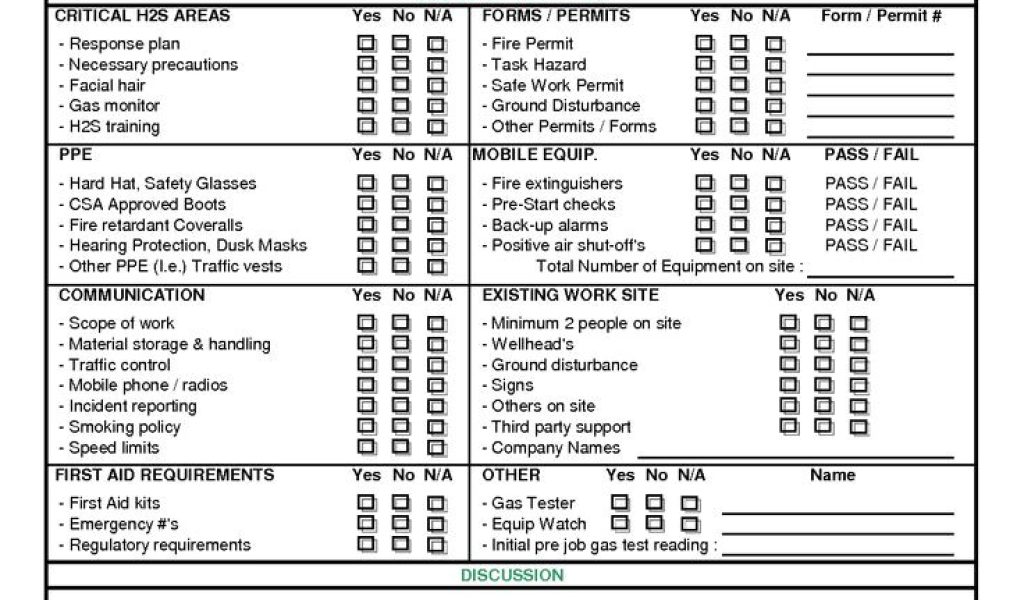
5. Document and Track Use a sign-in sheet. Note hazards raised. Share summaries with safety leads.
Avoid monologues. A 5-minute talk should have 2 minutes of dialogue.
Integrating Toolbox Talks into Daily Workflow
They shouldn’t feel like an interruption—they should feel like preparation.
Best Practice: Hold talks at the start of shift, at the work zone, with all crew present.
Timing: Keep it under 10 minutes. Longer = lower retention.
Materials: Use laminated quick-reference cards or a tablet with a rotating topic schedule.

Supervisor Training: Not every leader is a speaker. Train leads on how to facilitate, not lecture.
One utility crew reduced incidents by 40% simply by moving toolbox talks from the office trailer to the job site—making them site-specific and physically grounded in the hazards present.
Common Mistakes That Undermine Toolbox Talks
Even with a solid list, execution failures kill impact.
Mistake 1: Repeating the Same Topics Monthly Crews tune out. Rotate and adapt. If you discussed ladder safety last month, don’t repeat it unless conditions change.
Mistake 2: Skipping Talks During Rush Periods That’s when mistakes happen. High-pressure days need safety anchors, not skipped meetings.
Mistake 3: No Follow-Up on Identified Risks If a worker flags a missing guardrail, and nothing happens, trust erodes.
Mistake 4: Only Covering Physical Hazards Mental fatigue, communication gaps, and stress contribute to incidents. Include human factors.
Mistake 5: Using Jargon or OSHA Terms Without Context Say “electrocution risk near water” not “violation of 29 CFR 1926.416.”
Building Your Own Custom Toolbox Talk Schedule
Use this 4-step process:
- Map Current Work Activities
- - What tasks are crews doing this week?
- - Example: Welding, trenching, crane lifts
- Match to High-Risk Topics
- - Pair activities to relevant talks (e.g., welding → hot work safety)
- Pull from Incident Data
- - Had a near miss with a forklift? Make it a talk topic next day
- Schedule and Rotate
- - Use a 4-week calendar. Balance recurring themes with emergent issues
Include at least one “refresher” topic per month (e.g., fire extinguishers), but let 70% be dynamic.
Digital Tools to Streamline Toolbox Talks
Paper logs get lost. Digital systems improve tracking and accountability.
| Tool | Key Features | Best For |
|---|---|---|
| SafetyCulture (iAuditor) | Pre-built templates, photo capture, analytics | Teams needing robust reporting |
| SiteDocs | Offline access, auto-scheduling, integrations | Large construction crews |
| Procore | Embedded in project management, real-time sync | Enterprise project teams |
| SafetyTek | Voice-to-text, multilingual support | Diverse language crews |
| ToolboxTALKS by Creative Safety Supply | Free PDFs, visual aids | Small teams on a budget |
Choose based on your team size and tech access. Even a shared spreadsheet with topic rotation beats no system.
Make Safety a Conversation, Not a Lecture
The best toolbox talks end with crew members nodding—not because they were told what to do, but because they understood why it matters.
Use this list as a foundation, but let your worksite guide the details. Rotate topics, invite input, and act on feedback. Safety isn’t maintained by checklists alone—it’s built through consistent, meaningful dialogue.
Start tomorrow: pick one high-risk task, gather the crew, and run a 7-minute talk that’s specific, visual, and actionable. That’s how culture changes.
FAQ
What should you look for in Essential Toolbox Talks for Safer Workplaces? Focus on relevance, practical value, and how well the solution matches real user intent.
Is Essential Toolbox Talks for Safer Workplaces suitable for beginners? That depends on the workflow, but a clear step-by-step approach usually makes it easier to start.
How do you compare options around Essential Toolbox Talks for Safer Workplaces? Compare features, trust signals, limitations, pricing, and ease of implementation.
What mistakes should you avoid? Avoid generic choices, weak validation, and decisions based only on marketing claims.
What is the next best step? Shortlist the most relevant options, validate them quickly, and refine from real-world results.